


Industry Insights & Guides
Packaging Machine Blog & News
Expert knowledge, equipment selection advice, and technical trends in VFFS, Doypack, Multilane, and Flow Wrap systems.
Blog
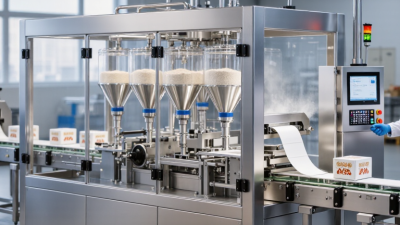
How to Choose a Stick Pack Packaging Machine in 2026?
Choosing a Stick Pack Packaging Machine in 2026 requires more than comparing speed, price, and stainless-steel finishes. The right system must match your product, film structure, target fill weight, and daily production rhythm. A machine running 120 packs per minute may look impressive, yet it can become expensive if changeovers are slow or sealing failures increase waste. Small details matter. Film tension. Jaw temperature. Powder dust.
W. Edwards Deming, a respected manufacturing quality expert, said, “Quality comes not from inspection, but from the improvement of the production process.” This principle remains highly relevant when evaluating a Stick Pack Packaging Machine. Buyers should examine dosing accuracy, seal consistency, cleaning access, servo control, spare-part availability, and operator training. Ask for product trials using your actual ingredients and packaging film. Laboratory demonstrations can hide practical problems.
Do not choose the fastest machine automatically. Choose the machine that performs reliably during ordinary shifts, not only during a polished demonstration. A compact design may simplify installation, but it might limit future expansion. A highly automated system may reduce labor, yet it can demand stronger technical support. That trade-off deserves honest review.
The best decision combines production data, operator experience, supplier credibility, and realistic maintenance planning. It should also consider recyclable film compatibility and energy consumption. Mistakes happen. A perfect forecast is impossible. Still, careful testing can prevent costly surprises and make your 2026 investment more dependable.
Read more »
 By:Vivienne
- October 18, 2026
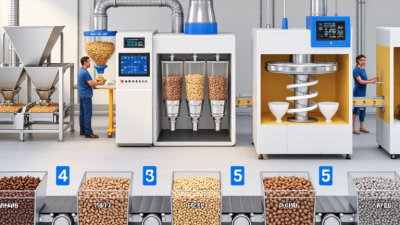
How to Choose the Best Granule Packaging Machine?
Choosing the right Granule Packaging Machine begins with the product, not the brochure. Granules may look similar, yet their behavior can differ sharply. Plastic pellets, coffee beans, seeds, fertilizer, and pet food require different feeding methods. Some flow smoothly. Others bridge, crumble, or create dust. That difference affects accuracy, speed, sealing, and cleaning time.
Jorge Izquierdo, Vice President of Market Development at PMMI, has said, “Automation is no longer a luxury; it is a necessity for many manufacturers.” His point deserves careful interpretation. Automation should solve a production problem, not decorate a quotation. A reliable machine should match your target weight, bag style, production volume, and available floor space. Multihead weighers suit irregular granules and demanding accuracy. Volumetric cup systems may offer simpler operation for consistent materials. Auger fillers can help with smaller, more controlled particles.
Small details matter. Watch a live demonstration. Bring your actual granules. Check whether dust settles around the sealing jaws. Test the machine after several hours, not only during a polished trial. Ask how quickly operators can change bag sizes. Ask about calibration records, spare parts, software support, and cleaning access. The best Granule Packaging Machine is not always the fastest model. It is the one that remains accurate on a busy Monday morning.
There is room for doubt. A higher filling speed can reduce accuracy. A cheaper machine can increase maintenance costs. These trade-offs are easy to overlook. Review production data, safety requirements, and supplier references before deciding. Practical evidence should outweigh impressive claims.
Read more »
 By:Oliver
- October 13, 2026
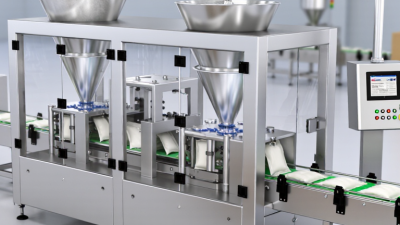
China Top Powder VFFS Packaging Machine Supplier?
Choosing a China top supplier requires more than comparing machine prices. Powder VFFS Packaging Machine performance depends on dosing accuracy, sealing stability, dust control, and after-sales support. A machine may look impressive in a showroom. Your powder may behave differently.
Grand View Research estimates that the global form-fill-seal machines market will continue growing through 2030, supported by automation and flexible packaging demand. PMMI’s industry reports also identify labor shortages, smart controls, and production efficiency as major investment drivers. These findings matter when evaluating Chinese manufacturers. Ask for measurable results, not attractive promises.
Packaging specialist Jorge Izquierdo of PMMI has stated, “Automation can help processors improve efficiency and address labor challenges.” His observation applies directly to powder lines, where manual handling can increase variation and cleaning time. However, automation is not a magic solution. Auger design, product density, humidity, and bag material still influence final performance.
A reliable supplier should provide factory testing, sample-based filling trials, electrical documentation, spare-parts planning, and operator training. Check whether the quoted speed remains stable with your actual powder. Request evidence for weight accuracy and seal integrity. Watch the powder cloud around the filling tube. Small details reveal engineering quality.
No supplier is perfect. Some published specifications may be optimistic. This guide compares China’s leading Powder VFFS Packaging Machine suppliers through practical criteria, including customization, compliance, technical expertise, delivery capability, and long-term service reliability.
Read more »
 By:Ethan
- October 8, 2026
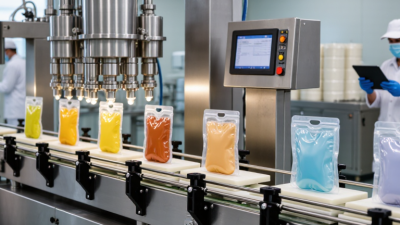
10 Tips for Choosing a Liquid Form Fill Seal Machine
Choosing a Liquid Form Fill Seal Machine is a production decision, not a simple equipment purchase. The right system must match product viscosity, pouch material, fill volume, hygiene needs, and line speed. A thin beverage behaves differently from shampoo, sauce, or pharmaceutical liquid. Small mismatches create leaking seals, inaccurate fills, and expensive downtime.
Industry data shows why careful selection matters. PMMI’s 2024 Packaging Machinery Opportunities report identifies automation, labor efficiency, and flexible formats as major investment drivers. Grand View Research estimates that the global form-fill-seal machines market will continue expanding through 2030, supported by demand for convenient, lightweight packaging. These figures suggest strong market momentum, but they do not guarantee that every machine suits every factory. Real performance depends on testing.
Jorge Izquierdo, PMMI’s vice president of market development, has said, “Automation is not about replacing people; it is about helping people do their jobs better.” That principle applies directly here. Operators still inspect film tracking, clean filling nozzles, and verify seal temperatures. This guide, “10 Tips for Choosing a Liquid Form Fill Seal Machine,” examines those practical details. It considers pump accuracy, changeover time, cleaning access, control systems, sealing reliability, and supplier support. No checklist is flawless. A machine that looks efficient in a showroom may struggle with foamy liquid, cold storage, or sticky residue. Request product trials. Measure actual results. Then compare the evidence with your long-term production goals.
Read more »
By:Ethan
- October 3, 2026
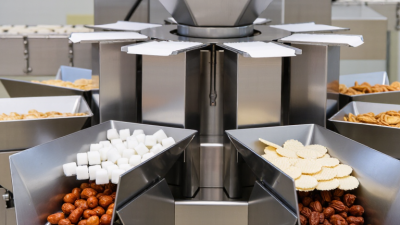
7 Tips for Choosing a Multihead Weigher Packaging Machine?
A Multihead Weigher Packaging Machine can look impressive on a showroom floor. The real test comes later: can it portion sticky dried fruit, small frozen pieces, or fragile snacks accurately at your required speed? Choosing well means matching the machine to the product, target weight, packaging format, and available floor space—not simply comparing headline speeds.
Industry reports offer useful context. PMMI’s 2024 State of the Industry report examines packaging machinery trends, including automation and operational pressures facing manufacturers. Those pressures make practical checks essential: ask suppliers for product-specific trials, recorded giveaway data, and changeover times. A polished brochure is not a production test. For broader investment context, PMMI’s reports on automation in packaging and processing also discuss manufacturers’ drive toward more flexible, automated operations. Use these sources to frame questions, then verify claims against your own product and line conditions.
A note on expert attribution: I can’t verify a named specialist’s published quotation on this exact buying decision, so I won’t invent one. A sound expert principle, stated here as editorial guidance rather than a quotation, is simple: test the product you actually plan to run. Check whether the contact parts suit its shape and texture, whether operators can clean and adjust the machine, and whether the controls integrate with your packaging line. Small details matter. A handful of extra grams per pack can become substantial product giveaway over a long shift. The seven tips ahead focus on these measurable trade-offs, helping buyers compare accuracy, speed, hygiene, flexibility, service, and total operating cost with clearer evidence.
Read more »
By:Ethan
- September 28, 2026
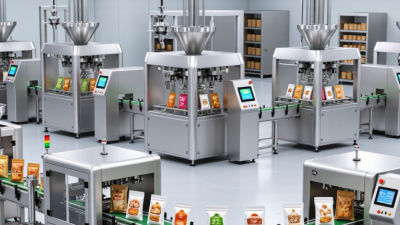
7 Best Premade Pouch Packing Machines for Global Buyers
Selecting a Premade Pouch Packing Machine is not simply a matter of comparing speed, price, or stainless-steel finishes. Global buyers must examine pouch dimensions, filling accuracy, sealing strength, changeover time, and after-sales support. A machine that performs well with dry snacks may struggle with powders, granules, sauces, or delicate products. Small details matter. Check the gripper movement, sealing temperature controls, sensor response, and the clarity of the operator interface.
PMMI President Jim Pittas has offered a practical reminder: “Automation should support people, not complicate their work.” That principle guides this review of seven premade pouch packing machines. Each option is considered from a buyer’s real operating perspective, including production volume, labor availability, installation conditions, and maintenance skill. Some machines offer impressive output, but their performance may depend on stable materials and experienced operators. That limitation deserves attention.
The comparison also considers safety features, hygienic construction, spare-parts access, and integration with printers, checkweighers, and metal detectors. These factors can influence long-term reliability more than a fast headline speed. A lower-cost machine may appear attractive initially. Yet difficult cleaning or slow format changes can quietly increase operating costs. No machine is perfect. Buyers should question marketing claims and request product trials whenever possible. A well-chosen Premade Pouch Packing Machine should fit the product, the pouch, and the people who operate it every day.
Read more »
By:Vivienne
- September 23, 2026
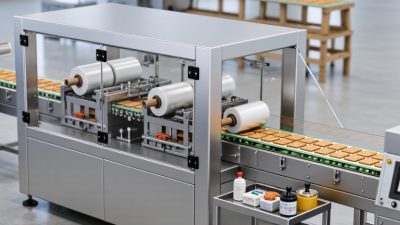
How to Choose a Flow Wrap Packaging Machine?
Choosing a Flow Wrap Packaging Machine is not simply a matter of comparing prices and production speeds. The right decision begins with understanding your product, packaging material, factory space, and daily output. A biscuit line may need different sealing control from a medical accessory line. Fresh products can also require gentler handling and stricter hygiene routines.
Start with the product dimensions. Measure its length, width, height, weight, and shape, including small variations between batches. Then review the required film type, seal temperature, cutting accuracy, and changeover time. A machine that runs perfectly during a demonstration may struggle with dusty products, soft materials, or frequent size changes. Ask suppliers for test samples using your actual product and film. Real testing reveals more than a polished brochure.
Operator experience matters. Clear controls, guarded moving parts, accessible cleaning areas, and reliable fault alerts can reduce avoidable downtime. Check the machine’s maximum speed, but do not treat that figure as your expected output. Sustainable production speed is often lower after loading, inspection, film changes, and maintenance are included. It is easy to overlook this.
Evaluate spare-part availability, training, warranty terms, and local technical support before signing an agreement. Food-contact applications may also require documented materials and suitable sanitation procedures. Standards vary by market, so confirm current requirements with qualified local professionals. No machine is perfect. Your decision should balance performance, safety, budget, and future flexibility. A careful choice today can prevent expensive modifications tomorrow.
Read more »
By:Oliver
- September 18, 2026
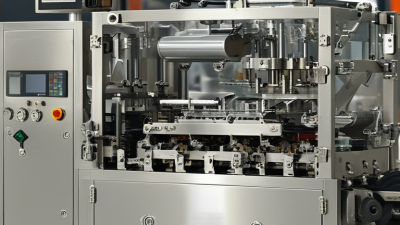
How to Choose the Best Doypack Packaging Machine in China?
Choosing the right Doypack Packaging Machine in China can shape your production efficiency, product quality, and long-term operating costs. A suitable machine should match your pouch size, filling material, sealing method, and expected output. It should also support stable performance during daily production, not only during a factory demonstration.
In practice, buyers often examine filling accuracy, packaging speed, film compatibility, and changeover time. They should also inspect stainless-steel contact parts, control systems, safety guards, and cleaning access. A machine that fills 60 pouches per minute may appear attractive. However, frequent adjustments can reduce its real output. Small details matter. Watch the sealing jaw closely. Check whether powder, oil, or liquid affects seal consistency. Ask for production samples using your actual packaging film.
Choosing a Chinese supplier requires more than comparing prices. Review manufacturing experience, technical documentation, spare-parts support, installation services, and customer references. Request clear specifications and a written performance agreement. Independent inspections can help verify workmanship before shipment. Certification claims should be checked against the requirements of your destination market. Not every low-cost offer is a genuine saving.
There is no perfect machine for every business. A growing company may value flexibility, while a large factory may prioritize automation and continuous output. Your decision should reflect current needs and realistic expansion plans. Consider the total cost of ownership, including maintenance, energy use, training, downtime, and replacement parts. Careful testing, honest supplier communication, and professional evaluation can make the final choice safer and more reliable.
Read more »
By:Ethan
- September 9, 2026
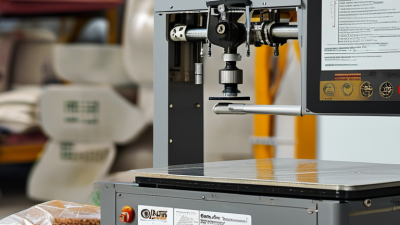
China Top 10 VFFS Packaging Machine Manufacturers
Choosing the right VFFS Packaging Machine manufacturer in China requires more than comparing prices or polished websites. Buyers need evidence from factory experience, engineering capability, product consistency, and after-sales support. This guide introduces ten notable Chinese manufacturers serving food, pet food, chemicals, hardware, and other lawful industries. Each company should be assessed against real production needs, not marketing language alone.
A dependable machine should form accurate bags, maintain stable sealing, and handle the selected film without frequent stoppages. Details matter. Check the PLC brand, weighing system, forming tube design, sealing temperature control, and spare-parts availability. Ask for a live demonstration using your product, especially if it contains dust, oil, irregular pieces, or fragile particles. Production speed also needs context; advertised output may change with bag size, material, and operator skill. Numbers can look impressive.
Factory audits, sample testing, and customer references provide stronger evidence than brochures. Confirm documentation, electrical standards, installation support, training, and warranty conditions before signing a contract. A serious supplier should explain limitations clearly and provide a practical maintenance schedule. Some claims still require careful verification, including “fully automatic” operation and guaranteed speed. That is where this comparison may remain imperfect. No ranking can replace a controlled test with your actual packaging materials. By examining technical specifications, export experience, customization ability, and service responsiveness, this overview aims to help buyers shortlist reliable partners with greater confidence.
Read more »
By:Vivienne
- September 9, 2026
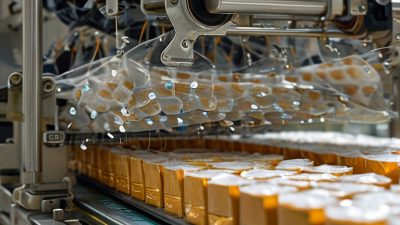
Top Multilane Sachet Packaging Machine Suppliers
Choosing a top Multilane Sachet Packaging Machine supplier requires more than comparing speed figures. Buyers must examine dosing accuracy, sealing consistency, machine access, cleaning routines, and after-sales support.
Market evidence shows why this decision matters. PMMI’s 2024 U.S. Packaging Machinery Shipments Report identifies continued investment in automation, driven by labor shortages, productivity demands, and flexible production needs. Smithers also reports sustained growth in flexible packaging, supported by convenience products, portion control, and lightweight formats. These trends directly influence sachet equipment design. A machine may run 1,200 sachets per minute, yet poor film tracking can still create waste, weak seals, and costly interruptions.
Jorge Izquierdo, Vice President of Market Development at PMMI, has emphasized, “Automation helps manufacturers improve productivity while addressing workforce challenges.” His observation reflects the practical role of a Multilane Sachet Packaging Machine on today’s production floor. Operators watch film rolls unwind, dosing heads cycle, and sealed sachets leave the jaws in tight rows. Small deviations become visible quickly.
However, supplier rankings are never perfectly universal. A pharmaceutical producer may value validation records, while a food manufacturer may prioritize rapid format changes. That limitation deserves attention. The strongest suppliers combine engineering experience, documented testing, responsive service, and compliance-focused design. This guide compares leading manufacturers through those measurable criteria, while recognizing that published performance claims require careful verification. Reliability is not only a brochure promise. It is proven during long production runs, difficult materials, and unexpected maintenance events.
Read more »
By:Vivienne
- September 9, 2026