Packaging Machine Industry Blog – SIA Concordia
Packaging Technology News – SIA Concordia
Industry Insights & Guides

Packaging Machine Blog & News

Expert knowledge, equipment selection advice, and technical trends in VFFS, Doypack, Multilane, and Flow Wrap systems.

0%

Choosing a Liquid Form Fill Seal Machine is a production decision, not a simple equipment purchase. The right system must match product viscosity, pouch material, fill volume, hygiene needs, and line speed. A thin beverage behaves differently from shampoo, sauce, or pharmaceutical liquid. Small mismatches create leaking seals, inaccurate fills, and expensive downtime.

Industry data shows why careful selection matters. PMMI’s 2024 Packaging Machinery Opportunities report identifies automation, labor efficiency, and flexible formats as major investment drivers. Grand View Research estimates that the global form-fill-seal machines market will continue expanding through 2030, supported by demand for convenient, lightweight packaging. These figures suggest strong market momentum, but they do not guarantee that every machine suits every factory. Real performance depends on testing.

Jorge Izquierdo, PMMI’s vice president of market development, has said, “Automation is not about replacing people; it is about helping people do their jobs better.” That principle applies directly here. Operators still inspect film tracking, clean filling nozzles, and verify seal temperatures. This guide, “10 Tips for Choosing a Liquid Form Fill Seal Machine,” examines those practical details. It considers pump accuracy, changeover time, cleaning access, control systems, sealing reliability, and supplier support. No checklist is flawless. A machine that looks efficient in a showroom may struggle with foamy liquid, cold storage, or sticky residue. Request product trials. Measure actual results. Then compare the evidence with your long-term production goals.
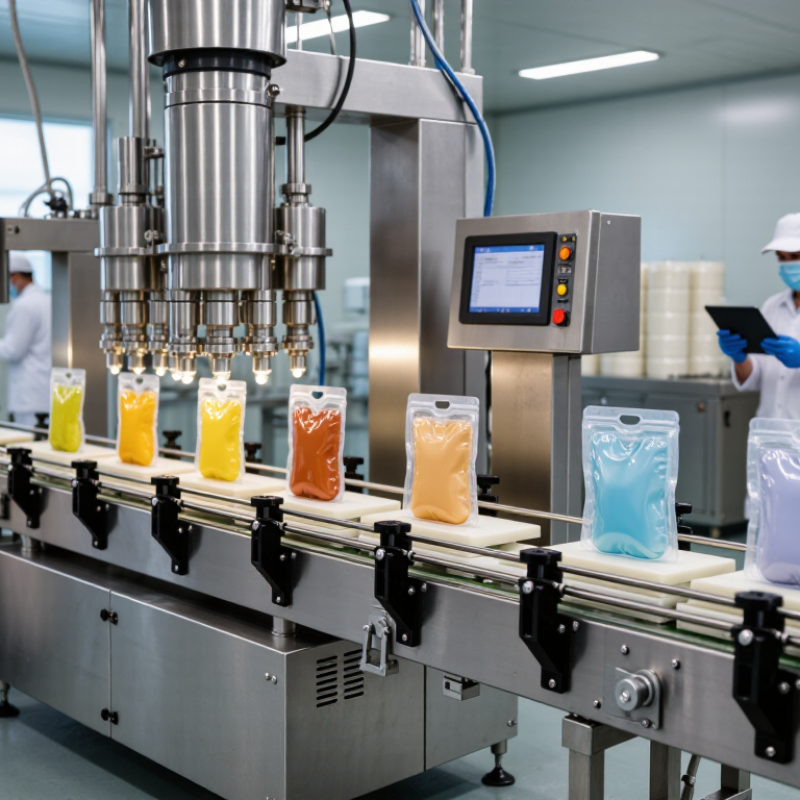
10 Tips for Choosing a Liquid Form Fill Seal Machine

Define Product, Package, and Production Requirements

10 Tips for Choosing a Liquid Form Fill Seal Machine

Define the product before comparing machine specifications. Record viscosity, density, temperature, foam level, particulates, and target fill volume. A thin beverage behaves differently from a thick sauce. That difference affects pumps, valves, filling accuracy, and cleaning time. PMMI’s 2024 State of the Industry report placed U.S. packaging machinery shipments above $10 billion in 2023. Strong investment does not remove the need for product testing. A spreadsheet can still lie.

Define the package with equal care. Specify pouch dimensions, film structure, seal width, barrier needs, and opening style. Ask for seal performance after filling, not only during dry trials. UNEP’s Food Waste Index Report 2024 estimated 1.05 billion tonnes of food were wasted in 2022. Reliable seals and suitable portion sizes can help reduce avoidable product loss. Small details matter.

Then define production requirements using real operating conditions. State target packs per minute, batch size, operating hours, changeover frequency, labor availability, and available floor space. Include water, compressed air, electricity, drainage, and cleaning access. Test the machine with your actual product and film. Request results for accuracy, leakage, downtime, and changeover duration. The first estimate may be wrong. That is useful. It reveals what still needs testing.

Compare Machine Formats, Sealing Methods, and Filling Systems

10 Tips for Choosing a Liquid Form Fill Seal Machine

Compare the machine format before comparing price. Horizontal systems suit preformed web layouts and many pouch sizes. Vertical systems often need less floor space and work well with free-flowing liquids. Choose based on product viscosity, package shape, output targets, and cleaning access. A compact frame may look efficient, but cramped maintenance points can slow production.

Tip 1: Test the sealing method with your actual film. Heat sealing is common, but seal temperature, pressure, and dwell time must match the material. Ultrasonic sealing may reduce heat exposure, although it can require tighter process control. Inspect seals after cooling, not immediately. That detail is easy to miss.

Tip 2: Match the filling system to the liquid. Time-pressure fillers can handle thin products with steady flow. Piston fillers provide stronger control for thicker liquids. Peristaltic pumps can reduce product contact, which may help with sensitive formulations. However, tubing wear can affect accuracy, so replacement intervals need records.

Tip 3: Ask for measured results, not broad claims. Request tests using your container film, liquid temperature, and target fill volume. Compare speed, weight variation, waste, and changeover time. Experienced operators should review the trial. Their practical comments often expose problems that specifications overlook. I would also leave room for revision; the first machine choice is not always the best one.

Evaluate Accuracy, Speed, Materials, and Product Compatibility

10 Tips for Choosing a Liquid Form Fill Seal Machine

Evaluate Accuracy, Speed, Materials, and Product Compatibility

Liquid packaging demand is becoming more technically demanding. Smithers forecasts the global flexible packaging market will exceed $300 billion by 2028. PMMI reported U.S. packaging machinery shipments of approximately $10.2 billion in 2023. These figures suggest stronger investment, but equipment selection still requires plant-level testing.

Accuracy should come before headline speed. Ask for fill-weight data across several production runs. A 1% error can create costly giveaway in high-volume operations. Check servo control, pump repeatability, and automatic correction functions. Speed is conditional. Rated output may fall when products foam, drip, or require longer sealing dwell times. Test it wet.

Material behavior matters equally

Compare polyethylene, laminated films, and recyclable structures during actual forming and sealing trials. Measure seal strength, leakage, wrinkle formation, and film tracking. A machine that handles one film smoothly may struggle with another. Product compatibility also needs evidence. High-viscosity sauces, acidic liquids, and particle-containing products require different pumps, valves, and cleaning routines. Confirm whether the system tolerates the product’s temperature, viscosity, and suspended solids.

One practical weakness is often overlooked

Operators may adjust settings manually after commissioning. That can reduce repeatability. Review recipe control, changeover time, and cleaning access with the production team. Request documented test results, not only sales specifications. A short trial using your product and packaging material can reveal more than a polished demonstration.

Check Automation, Hygiene, Safety, and Regulatory Features

10 Tips for Choosing a Liquid Form Fill Seal Machine

Check Automation, Hygiene, Safety, and Regulatory Features

Choosing a liquid form fill seal machine starts with the product, not the brochure. Watch a live trial using your actual liquid, film, and target fill volume. Record changeover time, seal temperature, fill accuracy, and rejected packs. Small leaks often reveal weak control settings. Ask how recipes are stored and protected from unauthorized changes. Automation should reduce variation, not hide it. Request alarms, event logs, remote diagnostics, and clear operator permissions. These features support repeatable production and credible investigations.

For hygiene, inspect every product-contact surface, weld, gasket, and drain point. Smooth, accessible designs make cleaning more reliable. Confirm whether parts tolerate the planned cleaning chemicals and temperatures. No machine is perfectly self-cleaning. That assumption can create costly blind spots. Check cleaning instructions, inspection access, and sanitation records. A useful factory test should include realistic residues, not only clean water.

Safety and regulatory readiness need equal attention. Look for guarding, interlocks, emergency stops, safe access, and clear lockout procedures. Request material certificates, electrical documentation, risk assessments, and validation records. Confirm that the machine can support local requirements for food, pharmaceutical, or other regulated production. Requirements differ by market, so written evidence matters. A flawless checklist is unlikely; challenge unclear claims and document every open question before purchase.

10 Tips for Choosing a Liquid Form Fill Seal Machine

Evaluate automation, hygiene, safety, product protection, and regulatory readiness before selecting a machine.

The chart shows a practical evaluation-weighting model totaling 100 points. Prioritize product-contact hygiene, filling accuracy, cleanability, safety functions, traceability, and compliance evidence. Verify hygienic design against applicable requirements such as ISO 14159, confirm guarding and risk-reduction measures under ISO 12100 and ISO 13849-1, and document validation, calibration, and change-control needs for regulated production.

Assess Maintenance, Supplier Support, Costs, and Future Expansion

A liquid form fill seal machine should be judged beyond its purchase price. During site trials, inspect film tracking, seal temperature stability, and cleaning access. Small gaps around the sealing jaws can hide product residue. They become expensive surprises. Ask for a preventive maintenance schedule with replacement intervals, lubrication points, and sensor checks. McKinsey estimates predictive maintenance can reduce machine downtime by 30–50%. Therefore, confirm whether the machine records pressure, temperature, and cycle data.

Supplier support matters when production stops at 2 a.m. Request documented response times, remote diagnostics, spare-parts availability, and technician training. PMMI’s recent industry reports continue to identify skilled labor shortages as a major packaging challenge. A complicated interface may create dependence on one specialist. That is risky. Ask operators to complete a realistic changeover test, not a polished demonstration. Record the actual minutes, tools, and rejected packs.

Calculate total cost over five to ten years. Include utilities, film waste, maintenance labor, software, and planned downtime. Deloitte’s 2024 Smart Manufacturing Survey found that 86% of manufacturers view smart manufacturing as a major competitiveness driver within three years. Choose open data connections and modular controls if future expansion matters. Leave physical space for another dosing head or lane. Yet, expansion plans can be overoptimistic. Buy only the capacity your evidence supports. A spreadsheet can still lie.

FAQS

How should I choose between horizontal and vertical machine formats?

Horizontal systems suit preformed web layouts and varied pouch sizes. Vertical systems usually need less floor space. Choose according to liquid flow, package shape, output, and cleaning access. Compact frames can hide cramped maintenance points.

Which sealing method should I test?

Test heat sealing with your actual film. Match temperature, pressure, and dwell time carefully. Ultrasonic sealing can reduce heat exposure. Inspect seals after cooling. Not immediately.

Which filling system fits different liquids?

Time-pressure fillers suit thin liquids with steady flow. Piston fillers offer stronger control for thick liquids. Peristaltic pumps can limit product contact. Tubing wear may reduce accuracy, so record replacement dates.

What should a machine trial measure?

Use your film, liquid temperature, and target fill volume. Measure speed, fill-weight variation, waste, and changeover time. Check leaks and rejected packs. Experienced operators may notice problems that specifications miss.

How important is filling accuracy?

Accuracy should come before headline speed. Request fill-weight data from several production runs. A one-percent error can create costly giveaway. Test foaming, dripping, and temperature changes. Rated output may decline.

How can I confirm material and product compatibility?

Test polyethylene, laminated films, and recyclable structures during forming. Measure seal strength, wrinkles, leakage, and film tracking. Thick sauces, acidic liquids, and suspended particles need suitable pumps and valves. Cleaning requirements may change too.

What maintenance details deserve attention?

Inspect sealing jaws, sensors, film tracking, and cleaning gaps. Residue can hide inside small spaces. Request lubrication points and replacement intervals. Check whether the machine records pressure, temperature, and cycle data. I might underestimate cleaning time.

How should I judge supplier support and future expansion?

Request response times, remote diagnostics, spare parts, and operator training. Run a real changeover with your production team. Record tools, minutes, and rejected packs. Calculate utilities, film waste, maintenance, software, and downtime over several years. Expansion sounds attractive, but evidence matters more.

Conclusion

Choosing the right Liquid Form Fill Seal Machine begins with clearly defining your product characteristics, package size, production volume, and filling requirements. Consider whether the machine can handle your liquid’s viscosity, temperature, foaming behavior, and sensitivity, while also matching the desired pouch format, sealing method, and filling system. Accuracy, operating speed, packaging materials, and compatibility with different film structures are essential factors for achieving consistent quality and minimizing waste.

You should also evaluate automation levels, cleaning procedures, hygiene design, operator safety, and applicable regulatory requirements. A practical decision should include maintenance access, spare-parts availability, technical training, and the supplier’s after-sales support. Finally, compare the total cost of ownership rather than only the purchase price, including energy use, labor, downtime, and consumables. Selecting a flexible machine with room for capacity upgrades or new package formats can help support future production growth and protect your investment.

Ethan

Ethan

Ethan is a dedicated marketing professional who combines strategic insight, industry knowledge, and a strong understanding of customer needs. As a key contributor to the company’s communications team, he regularly updates the corporate website with informative blog articles covering product......