Choosing among the Top 10 Horizontal Flow Wrapping Machine Manufacturers requires more than comparing advertised speed. A reliable machine must match the product, film, factory layout, and production schedule. This guide examines manufacturers through practical purchasing criteria, including sealing consistency, feeding accuracy, changeover time, control systems, safety design, and after-sales support. Real output varies.
A capable Horizontal Flow Wrapping Machine should handle the intended product without damaging edges, crushing delicate surfaces, or creating loose packages. For example, a bakery line may need gentle infeed timing, while hardware packaging may demand stronger film tension and durable sealing jaws. Energy use, cleaning access, spare-parts availability, and operator training also influence long-term value. Details matter. Factory demonstrations can reveal problems that brochures hide, especially during speed changes and product variation.
The manufacturers featured here are considered through technical documentation, published specifications, service information, customer feedback, and observable machine performance where available. Attention is also given to certification practices, customization ability, and the company’s experience serving different industries. No ranking is perfect. A supplier with excellent engineering may not offer the fastest local support, while a lower-cost machine may require more maintenance than expected. Buyers should verify claims, request sample packaging, inspect finished seals, and calculate total ownership costs before choosing. This approach supports a more balanced comparison, helping manufacturers and packaging teams identify equipment that fits real operating conditions rather than attractive specifications alone. Some evidence remains difficult to compare fairly, but transparent limitations are better than false certainty.
What Is a Horizontal Flow Wrapping Machine?
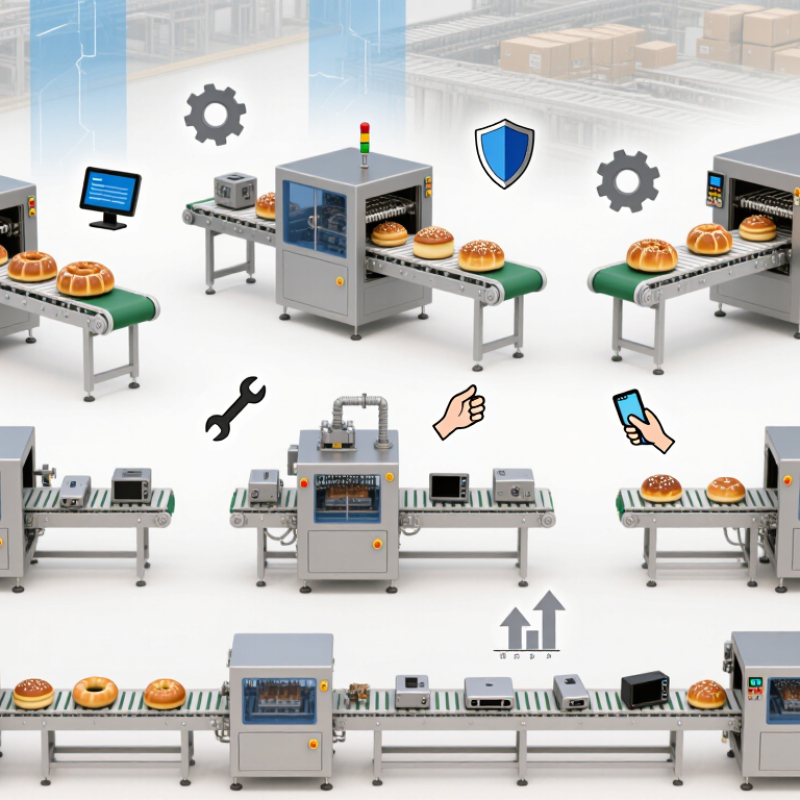
A horizontal flow wrapping machine packages products in a continuous, pillow-shaped film wrap. It feeds each item through a forming box, where a heated or fin-seal unit closes the film around it. End-sealing jaws then create tight seals at both sides. The conveyor, film roll, sensors, and cutting system must work in precise timing. Even a small delay can shift the product or damage the package.
This machine suits bakery goods, household items, medical supplies, and many standardized products. Its performance depends on product size, film type, sealing temperature, and conveyor speed. Clean sealing surfaces are essential. Crumbs, dust, or moisture may cause weak seals. Excessive heat can shrink or burn the film. Small errors matter. Operators should check seal strength, package alignment, and film tension during every production run.
A reliable machine should offer stable controls, accessible parts, clear safety documentation, and practical changeover procedures. Buyers should request sample tests with their actual products and packaging materials. Catalog specifications alone can be misleading. A machine may run quickly in a demonstration but struggle with irregular shapes or delicate surfaces. I have found that maintenance access is often underestimated. Frequent adjustments become expensive when key components are difficult to reach. Manufacturers should also explain training, spare-part availability, and service response times. No single design fits every operation, and real production testing may reveal problems that polished demonstrations hide.
How to Evaluate Horizontal Flow Wrapping Machine Manufacturers
How to Evaluate Horizontal Flow Wrapping Machine Manufacturers
Choosing a horizontal flow wrapping machine manufacturer requires more than comparing catalog prices. Evaluate documented experience with products similar to yours, including their size, shape, weight, and surface sensitivity. Ask for production samples using your actual film and product. A machine that performs well with test blocks may struggle with soft pastries or uneven packs.
Inspect the manufacturer’s engineering process. Look for clear information about sealing temperature control, servo synchronization, film tracking, and changeover time. Request measured results, not attractive estimates. Watch a live demonstration and check the seal edges, cutting accuracy, noise level, and finished-pack appearance. Small wrinkles often reveal larger control problems. Very impressive.
Reliability depends on evidence. Review factory quality procedures, component specifications, inspection records, and safety documentation. Speak with current users about uptime, spare-part access, training, and response times. A strong supplier should explain maintenance intervals in practical terms, such as lubrication points and common replacement parts. They should also provide installation guidance and operator training.
Be careful with promises of maximum speed. Real output changes with product loading, film type, pack length, and staff experience. Ask for a performance test under realistic conditions, then record the results. Some evaluations overlook cleaning access and future format changes. That is a mistake. Total cost includes energy use, film waste, downtime, upgrades, and technical support. A lower purchase price may not remain lower for long.
Profiles of the Top 10 Horizontal Flow Wrapping Machine Manufacturers
Profiles of the Top 10 Horizontal Flow Wrapping Machine Manufacturers
The leading ten manufacturers serve different production realities, not identical customer needs. PMMI’s 2024 industry data places U.S. packaging machinery demand above 10 billion dollars annually, supporting continued investment in automated wrapping lines. Smithers also reports steady growth in flexible packaging, driven by convenience foods, portion control, and material reduction. These figures explain the competition, but they do not prove every machine performs equally.
One profile focuses on high-speed bakery wrapping, using servo-driven sealing jaws and automatic film centering. Another specializes in frozen foods, with stainless-steel frames, heated sealing systems, and washdown-friendly construction. A third targets confectionery products, where gentle infeed timing prevents scuffing. A fourth develops compact machines for small factories. A fifth integrates checkweighers, printers, and metal detection. Useful in practice. A sixth emphasizes recyclable films, although sealing performance can vary between materials. A seventh builds oversized systems for industrial products. An eighth prioritizes quick format changes through tool-free guides. A ninth supports pharmaceutical-style traceability without handling restricted products. The tenth concentrates on regional service, spare-part availability, and operator training.
Experienced buyers should compare tested packs per minute, not brochure speed. Ask for film specifications, seal-strength data, changeover records, and energy consumption. The European Committee for Standardization highlights machinery safety and risk assessment under relevant standards, yet compliance documents still require careful verification. A weakness remains common: some suppliers publish ideal laboratory results. Real factories contain dust, temperature changes, and uneven product spacing. Trial runs matter more than polished claims.
Top 10 Horizontal Flow Wrapping Machine Manufacturers? - Profiles of the Top 10 Horizontal Flow Wrapping Machine Manufacturers
| Rank |
Manufacturer Profile |
Primary Market Focus |
Typical Machine Configuration |
Typical Speed |
Film Width Range |
Sealing System |
Key Strength |
| 1 |
Manufacturer Profile 01 |
Large-scale food and bakery production |
Automatic flow wrapper with continuous-motion infeed |
Up to 150 packs/min |
250–650 mm |
Rotary fin seal |
High-output operation, servo synchronization, and strong integration capability |
| 2 |
Manufacturer Profile 02 |
Confectionery, snack, and specialty foods |
Servo-driven horizontal wrapper with box-motion end sealing |
Up to 120 packs/min |
200–600 mm |
Box-motion seal |
Accurate product handling and flexible pack-length adjustment |
| 3 |
Manufacturer Profile 03 |
Fresh produce, prepared meals, and chilled goods |
Hygienic flow packer with stainless-steel construction |
Up to 100 packs/min |
220–700 mm |
Rotary fin seal |
Washdown-friendly design and compatibility with modified-atmosphere packaging |
| 4 |
Manufacturer Profile 04 |
Pharmaceutical and medical products |
Intermittent-motion wrapper with controlled product feeding |
Up to 80 packs/min |
180–500 mm |
Heat-sealed fin |
Accurate dosing, recipe management, and traceability support |
| 5 |
Manufacturer Profile 05 |
Biscuits, bars, and baked products |
High-speed wrapper with automatic film centering |
Up to 180 packs/min |
250–800 mm |
Rotary fin seal |
Fast changeovers and reliable handling of fragile products |
| 6 |
Manufacturer Profile 06 |
Household goods and non-food consumer products |
Heavy-duty flow wrapper with extended infeed conveyor |
Up to 90 packs/min |
300–900 mm |
Rotary or box-motion |
Suitable for large packs, irregular products, and protective packaging films |
| 7 |
Manufacturer Profile 07 |
Small and medium-sized food manufacturers |
Compact horizontal wrapper with modular conveyor sections |
Up to 100 packs/min |
180–550 mm |
Rotary fin seal |
Small footprint, straightforward operation, and lower entry cost |
| 8 |
Manufacturer Profile 08 |
Frozen foods and temperature-sensitive products |
Continuous wrapper with sealing-jaw temperature control |
Up to 90 packs/min |
220–650 mm |
Heat-sealed fin |
Stable sealing performance under variable product and film temperatures |
| 9 |
Manufacturer Profile 09 |
Private-label and contract packaging operations |
Flexible wrapper supporting multiple product sizes and film types |
Up to 110 packs/min |
200–700 mm |
Rotary fin seal |
Broad format flexibility and rapid product changeover capability |
| 10 |
Manufacturer Profile 10 |
General industrial and custom packaging applications |
Configured flow wrapper with optional feeding and inspection modules |
Up to 75 packs/min |
180–750 mm |
Rotary or intermittent seal |
Custom engineering, automation integration, and application-specific layouts |
Note: Speed and film-width figures are typical capability ranges for commercial horizontal flow-wrapping equipment. Actual performance depends on product dimensions, packaging material, sealing method, and machine configuration.
Key Differences in Machine Design, Performance, and Support
Top 10 Horizontal Flow Wrapping Machine Manufacturers: Key Differences in Machine Design, Performance, and Support
Choosing among the top ten horizontal flow wrapping machine manufacturers requires more than comparing advertised speed. PMMI reported U.S. packaging machinery shipments of $10.2 billion in 2022, showing strong investment in automated packaging. Yet machine layouts still vary widely. Some use three servo axes for tighter film control, while others rely on simpler mechanical systems. Servo-driven sealing jaws can improve changeover accuracy and reduce product damage. A shorter film path also helps maintain registration when products arrive unevenly.
Performance should be tested with your actual products, not sample cartons. Ask for sustained output, seal strength, film waste, and unplanned downtime records. A machine rated at 300 packs per minute may run closer to 220 in daily production. That gap matters. Smithers’ flexible packaging research identifies continued growth through 2028, increasing pressure for efficient material use and reliable sealing. Recyclable films can be less forgiving. Poor temperature control may create weak seals or wrinkled packs.
Support separates similar machines. Look for remote diagnostics, stocked spare parts, operator training, and response-time commitments. PMMI industry research repeatedly highlights labor shortages as a major automation concern, so intuitive controls deserve serious attention. During factory trials, observe how quickly an operator changes film, clears a jam, and restores settings. Brochures rarely show this. One practical weakness remains: buyers often compare maximum speed but ignore sanitation access, noise, and maintenance hours. That oversight can become expensive.
How to Choose the Right Manufacturer for Your Packaging Needs
Choosing among the top ten horizontal flow wrapping machine manufacturers requires more than comparing prices. Match each supplier to your product, film type, and daily output. Ask for test packaging using your actual products. Observe seal strength, film tracking, cutting accuracy, and changeover time. A machine that runs quickly in a showroom may struggle with sticky, fragile, or irregular items. Request documented performance data, operator training, and a clear spare-parts plan.
Tips:
Visit the factory if possible. Inspect assembly quality, electrical panels, guarding, and software controls. Ask current users about service response times, not only machine speed. Confirm installation requirements, including power, air pressure, floor space, and temperature. Review warranty limits carefully. Small details matter.
Experience shows that reliability often depends on support after delivery. Choose a manufacturer with trained technicians and practical troubleshooting procedures. Ask whether remote diagnostics are available and how common parts are stocked. Check if the controls are easy for a new operator to understand. No checklist is perfect. I would still leave room for trial results, because packaging behavior can change during long production runs. A reliable supplier should welcome difficult questions and explain weaknesses honestly, not promise flawless performance. Their answers reveal more than polished brochures.
FAQS
Compare documented experience with products matching your size, shape, weight, and surface sensitivity. Catalog price alone is insufficient.
Test your real products with your actual film. Soft pastries and uneven packs may behave differently from rigid test blocks.
Examine sealing temperature control, servo synchronization, film tracking, and changeover time. Ask for measured results, not attractive estimates.
Check seal edges, cutting accuracy, noise, film movement, and finished-pack appearance. Small wrinkles can reveal larger control problems.
Review quality procedures, component specifications, inspection records, and safety documents. Speak with current users about uptime and response times.
Look for stocked spare parts, installation guidance, operator training, remote diagnostics, and clear response-time commitments. Support affects production every week.
Treat maximum speed as a reference, not a promise. Real output changes with product loading, film type, pack length, and staff experience.
Record sustained output, seal strength, film waste, unplanned downtime, and changeover performance. A machine rated at 300 packs per minute may produce 220 daily.
Inspect cleaning access, noise, maintenance hours, lubrication points, and common replacement parts. These details can become expensive later.
Include energy use, film waste, downtime, upgrades, training, spare parts, and technical support. A lower purchase price may not remain lower.
Conclusion
This article explains what a Horizontal Flow Wrapping Machine is and how it supports efficient, consistent packaging for products in various shapes and sizes. It outlines the main operating principles, including product feeding, film forming, longitudinal sealing, and end sealing. Readers will also learn how to evaluate manufacturers by examining machine construction, wrapping speed, sealing accuracy, automation options, energy efficiency, customization capabilities, quality control, technical support, spare parts availability, and overall operating costs.
The article presents profiles of ten leading types of manufacturers without focusing on brand names, highlighting the differences in their machine designs, performance levels, control systems, maintenance requirements, and after-sales services. It also compares solutions for different production volumes and packaging materials, helping businesses understand which features matter most for their operations. Finally, the guide provides a practical framework for choosing the right manufacturer based on product characteristics, required output, available space, budget, future expansion plans, and desired support.