


Packaging Machine Blog & News
Expert knowledge, equipment selection advice, and technical trends in VFFS, Doypack, Multilane, and Flow Wrap systems.
Featured Piston Filling & VFFS Packaging Solutions for NZ
Engineered for accuracy, high-speed output, and seamless processing of pastes, liquids, powders, and food items across New Zealand co-packing facilities.
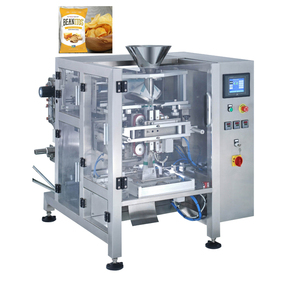
Mini Type Automatic VFFS Packaging Machine
Compact vertical form-fill-seal system optimized for small batch coffee, nuts, spices, and granular food pouch filling with quick format changeover.
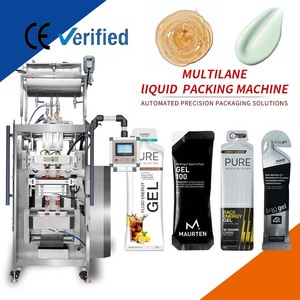
Automatic 2-Lane Irregular Shaped Liquid Sachet VFFS
Specialized multi-lane piston filling machine configured for sports gels, energy syrups, and custom contoured liquid pouch packaging.
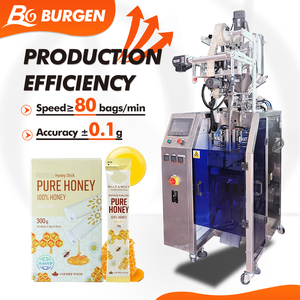
Single Lane Pop Stick & Mānuka Honey Liquid Packaging Machine
Precision pneumatic piston filling for high-viscosity Mānuka honey, ice pop sticks, and liquid syrups in tamper-evident stick packs.
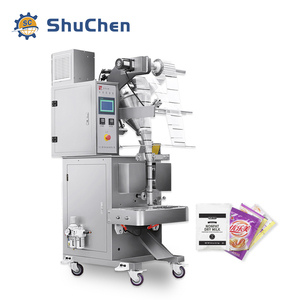
Shuchen VFFS Vertical Auger & Powder Sachet Packing Line
High-precision powder dosing system integrated with VFFS stick pack machinery for dairy powders, nutritional protein, and spice blends.
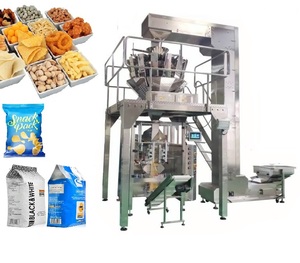
10/14 Head Combination Multihead Weigher VFFS Line
Heavy-duty vertical bagger paired with multihead combination scale for dried fruits, native nuts, oat flakes, and frozen foods.
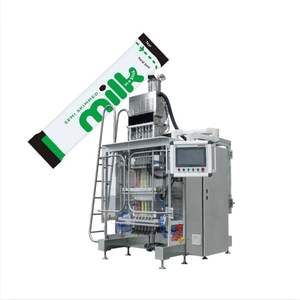
High Speed VFFS 200-300 PPM Multilane Sachet Line (GMP)
Ultra-high-throughput pharmaceutical and food-grade multi-lane sachet packaging machinery built strictly to international GMP standards.
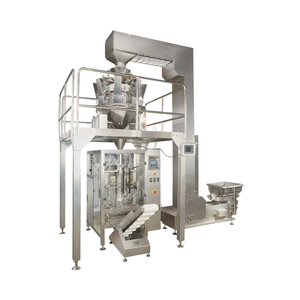
Multi-Function VFF Pouch Packaging Machine for Snacks & Seeds
Versatile vertical pouch former capable of handling pillow bags, gusseted bags, and quad-seal formats for agricultural seeds and snacks.
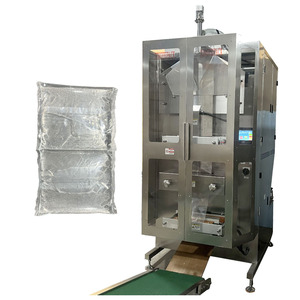
Automatic 3kg Paste & Liquid Heavy Piston VFFS Machine
Industrial-grade rotary/linear piston filling VFFS machine designed for bulk 3kg chili sauce, dairy pastes, catering oils, and viscous liquids.
Executive Whitepaper: The Strategic Role of Piston Filling Machinery in New Zealand's Primary Sector
New Zealand’s food, beverage, and agricultural processing sectors operate under some of the world's most stringent quality control standards. Driven by the Ministry for Primary Industries (MPI) regulations and strict Risk Management Programmes (RMP), processing facilities in regions like Waikato, Bay of Plenty, Canterbury, and Hawke's Bay require packaging machinery that guarantees zero cross-contamination, absolute dosing precision, and minimum product giveaway.
Piston filling packaging machinery—specifically engineered with pneumatic or servo-driven positive displacement cylinders—stands out as the benchmark technology for dosing shear-sensitive, viscous, and particle-laden liquid products. Whether packaging native Mānuka honey (UMF 10+ to 25+), concentrated dairy lipids, artisanal sauces, or sports gel sachets, piston pumps deliver accurate volumetric measurement regardless of fluid viscosity shifts or thermal variations.
Engineering Matrix: Viscosity Spectrum & Filling Technology Selection in NZ Processing
Selecting the correct liquid packaging architecture depends directly on fluid rheology, particulate size, and required throughput. Below is an engineering benchmark for New Zealand B2B procurement managers:
| Product Category | Dynamic Viscosity (cP) | Optimal Dosing Mechanism | Metering Accuracy | Primary NZ Industry Target |
|---|---|---|---|---|
| Mānuka Honey & Propolis | 10,000 – 50,000 cP | Servo-Driven Piston (Jacketed Hopper) | ± 0.2% | Bay of Plenty, Waikato Honey Packers |
| Dairy Concentrates & Cream | 1,000 – 5,000 cP | Pneumatic Sanitary Piston (316L SS) | ± 0.3% | Canterbury & Taranaki Dairy Hubs |
| Artisanal Chili & Food Pastes | 5,000 – 25,000 cP | Heavy Duty Piston + Rotary Valve | ± 0.5% | Auckland & Hawke's Bay Co-packers |
| Nutraceutical & Energy Gels | 500 – 3,000 cP | Multi-Lane Servo Piston VFFS | ± 0.1% | Sports Nutrition & Health Facilities |
| Fruit Juices & Oils | 1 – 100 cP | Flow Meter / Piston Hybrid | ± 0.2% | Marlborough & Nelson Beverage Plants |
How to Evaluate the Top 10 Manufacturers for New Zealand Factories
When sourcing automated packaging equipment for Oceanic production lines, local B2B buyers must analyze manufacturers across five core technical pillars to ensure long-term ROI and regulatory compliance.
1. Sanitary & Clean-In-Place (CIP) Standards
Top manufacturers utilize AISI 316L stainless steel for all liquid contact zones, mirror-polished to Ra < 0.4µm. Integrated CIP/SIP cleanability with automated pneumatic tri-clamp valve actuators is mandatory for NZ food safety audits.
2. Dosing Accuracy & Anti-Drip Control
Piston filling tolerance must remain strictly within ±0.2% to prevent costly product giveaway in premium goods like Mānuka honey. Advanced cut-off blow-back nozzles prevent seal area contamination during VFFS film sealing.
3. AS/NZS Electrical & Safety Compliance
Machinery imported into Auckland or Lyttelton ports must comply with AS/NZS 3000 wiring standards, featuring CE certification, Schneider/Siemens PLCs, and safety interlocks engineered for local 400V 50Hz 3-phase grid power.
Localized Application Scenarios Across New Zealand Industries
Packaging dynamics in New Zealand are distinct due to geographic isolation, high labor costs, and export-driven quality expectations. Here is how advanced piston filling VFFS systems are deployed across key regional manufacturing sectors:
A. Mānuka Honey & Bee Products (Bay of Plenty & Waikato)
Mānuka honey is one of New Zealand's flagship export products. Due to its high viscosity and thixotropic properties, standard gravity or pump fillers fail to deliver accurate volumetric dosing. Servo-driven piston filling machines equipped with thermal jacketed hoppers maintain constant temperature (approx. 35°C–38°C), reducing fluid viscosity without degrading bioactive UMF factors. Single-lane and multi-lane stick pack VFFS machines allow producers to create single-serve 10g–15g honey snap packs for international travelers and retail markets.
B. Dairy Lipids, Cream & Functional Powders (Canterbury & Southland)
New Zealand’s South Island houses massive dairy processing plants. Piston packaging machines configured with sanitary tri-clamp fittings dispense concentrated dairy lipids, cultured creams, and specialty cheese pastes into pillow pouches or rigid containers. Concurrently, vertical auger filler VFFS systems handle high-value infant formula and specialized bovine colostrum powders with zero dust emission.
C. Craft Condiments, Artisanal Sauces & Oils (Auckland & Hawke's Bay)
Artisanal condiment manufacturers in Auckland and Hawke's Bay require flexible packaging machinery capable of handling particulates (e.g., chili seeds, diced herbs) without clogging the valve system. Heavy-duty piston fillers with pneumatic rotary valves deliver precise 1kg to 3kg bulk pouch dispenses for food service clients, as well as retail-ready small sachets.
Localized Market Trends Shaping NZ Packaging Automation (2025–2030)
- Automation to Mitigate Rural Labor Shortages: With high hourly wages and regional labor scarcity in rural processing centers, NZ food packagers are transitioning from semi-automatic liquid fillers to fully integrated VFFS multilane piston lines capable of 200+ packs/min with single-operator oversight.
- Transition to Recyclable Monomaterial Films: New Zealand's commitment to environmental sustainability requires packaging machinery to run mono-PE, mono-PP, and home-compostable film laminates without film stretching or seal burning. Servo-controlled sealing jaws ensure precise thermal transfer.
- IoT-Enabled Remote Diagnostics & Predictive Maintenance: Given the geographic distance between international OEMs and New Zealand processing facilities, machines equipped with secure VPN routers allow remote engineers to troubleshoot PLC logic, adjust timing cams, and update software instantly.
Engineering Excellence & Global Manufacturing Capability
Backing New Zealand's food and pharmaceutical sectors with state-of-the-art machinery, robust technical support, and modular engineering.
20+ Years Expertise
Over two decades dedicated to vertical form-fill-seal, multilane sachet, and sanitary piston filling technology. Over 5,000 installations operational worldwide.
Custom Engineering (OEM/ODM)
Tailored machine customization to suit unique container dimensions, high-viscosity paste rheology, and specific factory layout constraints in New Zealand.
Rapid Spare Parts & Service
Standardized component usage (AirTAC/Festo pneumatics, Schneider electrics) ensuring spare parts are readily sourced locally across NZ.
Frequently Asked Questions (FAQ) for NZ Importers & Engineers
Q1: What electrical modifications are required for packaging machinery imported into New Zealand?
All machines exported to New Zealand are custom-wired to match the local grid power standard of 400V 50Hz (3-Phase) or 230V 50Hz (Single-Phase). Electrical cabinets feature AS/NZS compliant wiring colors, RCD circuit protection, EMC filters, and CE-certified components from Schneider or Siemens.
Q2: How does a piston filling machine maintain dosing accuracy for thick Mānuka honey?
Piston fillers utilize positive displacement technology. The piston stroke length is precisely driven by a servo motor micro-step controller, drawing an exact volume of honey into the 316L stainless steel cylinder. Combined with heated jacket hoppers and anti-drip cut-off nozzles, volume accuracy is maintained within ±0.2% regardless of batch viscosity changes.
Q3: Are these machines compatible with recyclable and eco-friendly packaging films in NZ?
Yes. Modern VFFS and multilane sachet machines feature digital PID temperature controllers and servo-driven sealing jaws. This enables precise control over sealing dwell time and temperature profiles, preventing burn-through on delicate mono-PE, mono-PP, and biodegradable barrier films popular in New Zealand.
Q4: What is the typical lead time and sea freight shipping route to New Zealand ports?
Standard machine fabrication and factory acceptance testing (FAT) require 30 to 45 business days. Direct sea freight shipping from international ports to Auckland, Tauranga, or Lyttelton (Christchurch) typically takes 14 to 22 transit days. Express air freight is also available for urgent spare parts or compact equipment.
Q5: How is Clean-In-Place (CIP) sanitation handled for dairy and food sauce processing?
Our sanitary piston filling systems feature quick-release tri-clamp connections and automated CIP washdown modes. Operators can connect the machine directly to the plant's centralized CIP line for automatic circulation of hot water and food-grade sanitizing solutions, meeting MPI and RMP hygiene compliance.
Q6: What after-sales technical support is available for New Zealand facilities?
We provide comprehensive remote video FAT testing prior to dispatch, detailed English operating manuals, step-by-step installation guides, and 24/7 online technical support. Furthermore, all PLC control programs feature remote access modules for direct engineering diagnostics.
Ready to Upgrade Your Packaging Line in New Zealand?
Contact our senior application engineers today to discuss your specific liquid viscosity, pouch dimensions, throughput requirements, and MPI compliance needs.