


Packaging Machine Blog & News
Expert knowledge, equipment selection advice, and technical trends in VFFS, Doypack, Multilane, and Flow Wrap systems.
High-Performance VFFS & Automatic Packaging Solutions
Engineered for high throughput, strict GMP compliance, and seamless end-of-line cartoning integration.
Navigating China's Automatic Cartoning & Packaging Automation Landscape
A comprehensive analysis of multi-axis servo integration, Total Cost of Ownership (TCO), and OEM selection metrics for modern manufacturing plants.
The global automated packaging ecosystem has undergone a paradigm shift over the past five years. Driven by rising labor costs, stringent international cGMP standards, and the rapid expansion of high-speed consumer goods logistics, primary packaging equipment—such as Vertical Form Fill Seal (VFFS) machines, multilane sachet lines, and rotary Doypack systems—must now interface directly with secondary Automatic Cartoning Machines. Modern industrial buyers no longer view packaging machinery as isolated mechanical units; instead, they evaluate secondary cartoning lines as integrated end-to-end cyber-physical systems designed to maximize overall equipment effectiveness (OEE) and eliminate production bottlenecks.
China has solidified its position as the world's primary innovation hub and export powerhouse for automatic cartoning equipment and flexible pouch packaging systems. Top Chinese manufacturers have evolved beyond cost-competitive basic assembly to pioneer multi-axis servo kinematics, real-time vision verification, robotic transfer mechanisms, and eco-friendly recyclable film processing. To assist procurement directors, plant managers, and industrial OEMs in making data-driven purchasing decisions, this whitepaper evaluates critical engineering standards, material compatibility factors, and long-term procurement frameworks required when evaluating premier Chinese cartoning and packaging suppliers.
Key Insight for Procurement Executives: Selecting a premier cartoning machine supplier requires evaluating line synchronization capabilities. A cartoning system operating at 120 cartons per minute (CPM) must dynamically adjust its pick-and-place pitch based on upstream VFFS feed variations using multi-axis servo torque feedback.
1. Technical Architecture & Servo Motion Control Integration
Traditional mechanical intermittent cartoning machines relied on heavy cams, complex chain drives, and physical link-bars. While robust, these legacy architectures suffered from lengthy format changeover times (often exceeding 3 hours), mechanical wear, high maintenance costs, and noise levels above 85 dB. Premier Chinese manufacturers have redefined these standards by adopting full servo-driven architecture, incorporating platforms such as Schneider Electric Electric Modicon, Siemens S7-1500, or Omron NJ-series controllers.
Synchronized Kinematics
Independent servo motors drive carton erection, leaflet feeding, product pushing, and tuck-in flap closing, eliminating physical chain flex and reducing mechanical backlash to micro-radian tolerances.
Industrial Vision & QC
Integrated 2D/3D vision cameras inspect batch codes (OCR/OCV), detect missing leaflets, verify glue bead patterns, and reject non-compliant packages before cartoning.
IoT Telemetry & OPC-UA
Native Ethernet/IP and OPC-UA protocols transmit real-time OEE metrics, thermal telemetry, motor vibration diagnostics, and maintenance alerts directly to enterprise MES/ERP networks.
Primary & Secondary Packaging Performance Standards
A side-by-side engineering comparison of industrial cartoning and pouch-filling packaging categories.
| Equipment Category | Kinematic System | Max Speed / Output | Dosing Accuracy | Changeover Time | Primary Industry Suitability |
|---|---|---|---|---|---|
| Continuous Motion Cartoner | Multi-axis Servo / Rotary Feeder | 180 – 300 Cartons/min | N/A (Secondary) | < 15 Minutes (Tool-less) | Pharmaceutical, Cosmetics, High-speed Foods |
| Intermittent Motion Cartoner | Servo-Pneumatic / Geneva Motion | 40 – 100 Cartons/min | N/A (Secondary) | 20 – 30 Minutes | Nutraceuticals, Hardware, Medium Batch Lines |
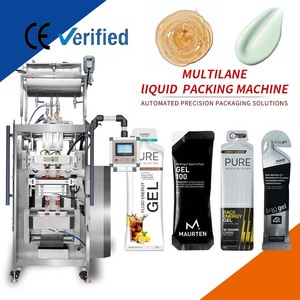
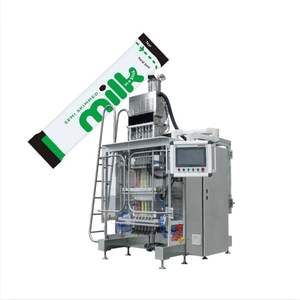
| Multilane Stick Sachet VFFS | Servo Pulling / Volumetric/Auger | 200 – 600 Sachets/min | ±0.5% – ±1.0% | 30 – 45 Minutes | Pharma Powder, Energy Gels, Instant Coffee |
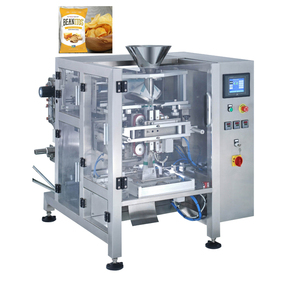
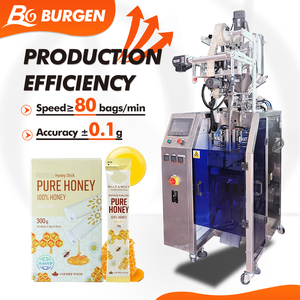
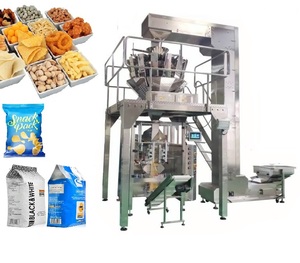
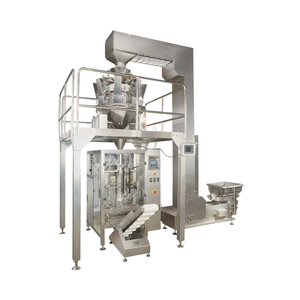
| High-Speed VFFS Machine | Dual Servo Jaw Pulling / Multihead | 60 – 120 Bags/min | ±0.1g – ±0.5g | 10 – 20 Minutes (Forming Set) | Snack Foods, Frozen Goods, Grains, Candy |
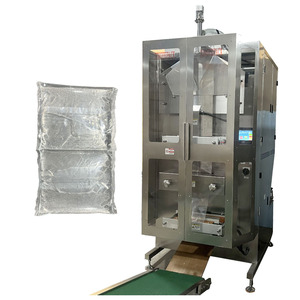
| Rotary Premade Doypack Line | Mechanical Cam / Servo Spout Gripper | 30 – 60 Pouches/min | ±0.2% – ±0.5% | 15 – 25 Minutes | Pet Food, Liquids, Sauces, Stand-up Pouches |
Future Procurement Trends in Automatic Cartoning Machinery (2025–2030)
Market intelligence on material shifts, operational flexibility, sustainable packaging, and total cost optimization.
1. Transition to Eco-Friendly & Recyclable Cardboard Stock
Global environmental mandates (such as the EU Packaging and Packaging Waste Regulation) require cartoning machinery to reliably process recycled cardstock, lightweight folding boxboards, and unbleached Kraft paper. Recycled cardstocks possess variable fiber tension and lower structural rigidity compared to virgin paperboards. Advanced Chinese cartoners overcome this challenge by incorporating vacuum-assisted, double-arm positive extraction arms that gently open folded blanks without tearing delicate scores or jamming feed magazines.
2. High Flexibility for SKU Diversification & Fast Changeovers
E-commerce growth and customized promotional packaging have reduced production batch sizes while expanding SKU counts. Modern plant managers mandate cartoning machines capable of quick format adjustments. Leading manufacturers integrate digitally monitored guide positions, quick-release forming mandrels, and recipe-driven servo parameter shifts via color touchscreen HMIs, allowing operators to execute complete height, width, and depth size changes in under 15 minutes without hand tools.
3. Total Cost of Ownership (TCO) & Energy Efficiency Focus
B2B buyers look beyond initial capital expenditure (CAPEX) to evaluate long-term operational expenditure (OPEX). Modern Chinese automatic cartoning equipment features regenerative servo braking—which feeds deceleration kinetic energy back into the internal bus network—alongside energy-efficient Nordson or Robatech hot-melt glue applicators. Combined with durable 304/316 stainless steel frame construction, these systems reduce power consumption by up to 28% compared to decade-old mechanical designs.
Factory Automation ROI Formula: Net Annual Savings = (Labor Cost Saved + Reduced Product Give-Away + Increased OEE Yield) - (Depreciated CAPEX + Annual Maintenance SLA). Chinese automated cartoning lines typically achieve full ROI payback within 9 to 14 months of deployment.
Why SIA Concordia Sets the Global Standard for Packaging Excellence
Delivering precision machinery, custom engineering capabilities, and responsive global after-sales support since 2005.
20,000+ m² Smart Manufacturing Plant
Our state-of-the-art manufacturing facility houses high-precision CNC machining centers, laser cutters, dynamic balance testing rigs, and cleanroom assembly zones to ensure uncompromised machinery quality.
CE, ISO 9001 & cGMP Compliant
Every machine complies with international electrical safety standards, CE directives, ISO 9001:2015 quality control systems, and sanitary FDA/GMP guidelines for food and pharmaceutical applications.
Turnkey OEM & ODM Customization
Our in-house R&D team of over 50 skilled mechanical and electrical engineers designs tailored infeed collators, custom carton tucking mechanisms, and specialized dosing systems matching exact customer specifications.
Global Service Network (80+ Countries)
With localized technical hubs, remote AR video troubleshooting, fast spare-parts fulfillment, and optional on-site engineer commissioning, we keep your production line running with maximum uptime.
High-Precision Micro-Dosing Accuracy
Utilizing multi-head weighers, auger fillers, or piston meters, our primary packaging machinery delivers consistent filling accuracies down to ±0.1g, dramatically minimizing costly raw material give-away.
Rigorous Factory Acceptance Testing (FAT)
Before dispatch, all automated lines undergo 72 continuous hours of full-load stress testing using your actual packaging materials and products to ensure seamless plug-and-play plant integration.
Frequently Asked Questions (FAQ) for Packaging Machinery Buyers
Detailed technical answers addressing common engineering, operational, and commercial queries from global buyers.
What is the structural difference between continuous motion and intermittent motion cartoning machines?
Intermittent cartoners stop the carton index during product insertion, making them ideally suited for lower speeds (up to 80-100 cartons/minute), heavier products, or complex multi-component insertion. Continuous motion cartoners keep both the carton transport conveyor and the product pusher mechanism in continuous, synchronized motion. This reduces mechanical acceleration stress, enabling ultra-high speeds of 150 to 300+ cartons per minute while delivering smoother, quieter operational performance.
How do automatic cartoning systems integrate with upstream VFFS or multilane sachet machinery?
Integration relies on intelligent pick-and-place transfer systems or multi-axis delta robots. Upstream sachets or pouches produced by VFFS machines are transferred via inline counting belts, where optical sensors or vision systems verify orientation and count. Servo-driven smart belts buffer incoming products, synchronizing their release into the cartoner's bucket conveyor channel based on encoder feedback from the cartoning machine's main shaft.
Can your packaging machines process eco-friendly, biodegradable, or recyclable mono-PE film structures?
Yes. Traditional sealing systems often burn or distort mono-layer PE or recyclable paper-laminate materials due to precise temperature control limitations. Our advanced VFFS and cartoning sealing modules incorporate PID digital temperature controllers paired with multi-zone heating blocks and quick-cooling seal jaws. This maintains precise thermal sealing profiles within a tight ±1°C window, ensuring leak-proof seals on sustainable films without material degradation.
What carton closure options are available on your automatic cartoners?
Our cartoning machinery supports multiple closure configurations including tuck-in (straight tuck or reverse tuck), hot-melt adhesive glue seal (using integrated Nordson or Robatech spray systems), glue-lock combination, or tamper-evident seal strip closures. Formats can be customized or equipped with dual-closing modules to support easy switching between tuck and glue seal options.
What lead time, installation support, and warranty coverage do you provide for international orders?
Standard standalone machines feature a manufacturing lead time of 30 to 45 business days, while fully customized, complex turnkey lines require 60 to 75 days. We provide comprehensive Factory Acceptance Testing (FAT) video documentation prior to dispatch. All equipment is covered by a 12-to-24 month warranty on core servo components and PLC hardware. Furthermore, our certified field engineers are available worldwide for on-site installation, commissioning, SAT protocols, and operator training.
How is electrical compatibility handled for machinery operating in different global regions?
We custom-engineer the electrical cabinet to match your site's local power utility standards, whether 3-Phase 380V/50Hz (Asia/Europe), 3-Phase 220V/60Hz, or 3-Phase 460V/60Hz (North America). All electrical wiring is color-coded, labeled, and assembled using top-tier international components (Schneider Electric, Siemens, Phoenix Contact) in full compliance with CE directives and UL/CSA electrical safety regulations.
Ready to Optimize Your Packaging Line Throughput?
Contact our sales engineering team today to receive detailed technical specifications, line layout drawings, and a customized ROI procurement proposal for your plant.