Packaging Machine Blog & News
Expert knowledge, equipment selection advice, and technical trends in VFFS, Doypack, Multilane, and Flow Wrap systems.
Choosing the right Doypack Packaging Machine in China can shape your production efficiency, product quality, and long-term operating costs. A suitable machine should match your pouch size, filling material, sealing method, and expected output. It should also support stable performance during daily production, not only during a factory demonstration.
In practice, buyers often examine filling accuracy, packaging speed, film compatibility, and changeover time. They should also inspect stainless-steel contact parts, control systems, safety guards, and cleaning access. A machine that fills 60 pouches per minute may appear attractive. However, frequent adjustments can reduce its real output. Small details matter. Watch the sealing jaw closely. Check whether powder, oil, or liquid affects seal consistency. Ask for production samples using your actual packaging film.
Choosing a Chinese supplier requires more than comparing prices. Review manufacturing experience, technical documentation, spare-parts support, installation services, and customer references. Request clear specifications and a written performance agreement. Independent inspections can help verify workmanship before shipment. Certification claims should be checked against the requirements of your destination market. Not every low-cost offer is a genuine saving.
There is no perfect machine for every business. A growing company may value flexibility, while a large factory may prioritize automation and continuous output. Your decision should reflect current needs and realistic expansion plans. Consider the total cost of ownership, including maintenance, energy use, training, downtime, and replacement parts. Careful testing, honest supplier communication, and professional evaluation can make the final choice safer and more reliable.
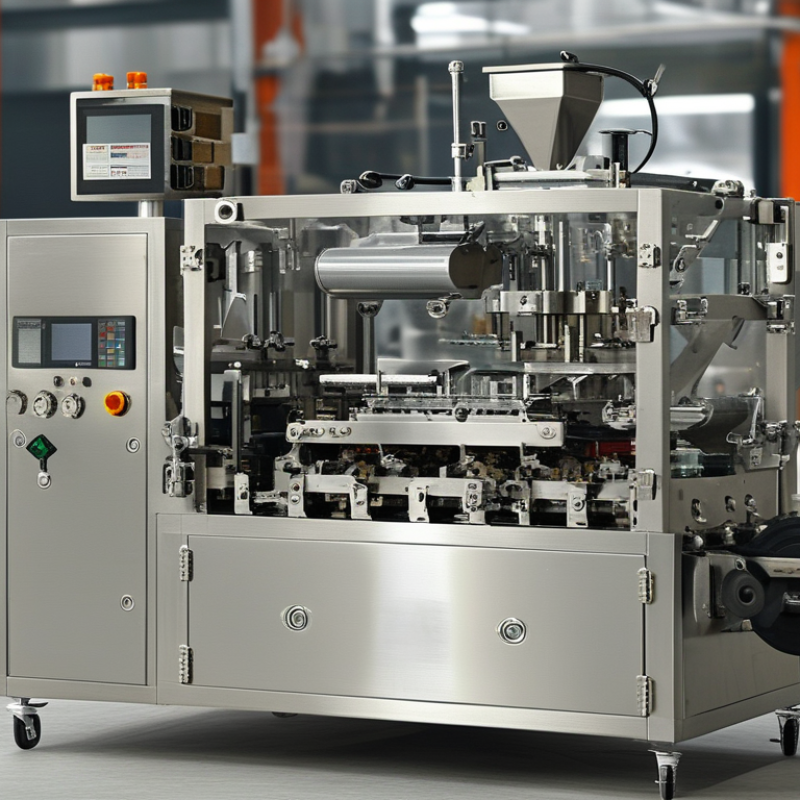
Define Doypack Formats and Output Needs: 30–120 Bags per Minute
Choosing a Doypack machine starts with format, not advertised speed. A standard flat pouch, stand-up pouch, zipper pouch, and spouted pouch require different forming and sealing arrangements. Define width, height, gusset depth, film structure, filling range, and seal type before comparing machines. PMMI’s packaging machinery guidance stresses matching equipment to the product, package, and operating conditions. That principle is easy to overlook.
A target of 30–120 bags per minute equals 1,800–7,200 bags per hour. Real output is usually lower. Product flow, sealing temperature, film tension, and changeovers reduce the effective rate. Smithers’ flexible packaging market forecasts show continuing demand for convenient pouch formats, but market growth does not guarantee stable production. Test your actual product. Powder, liquid, granules, and irregular pieces behave differently.
Ask the supplier for a recorded trial using your film and filling weight. Check seal strength, zipper alignment, residual product in the seal, and reject rate. A machine rated at 120 bags per minute may only achieve 85 under practical conditions. That difference matters. Plan around the required good bags per minute, not the headline number.
For moderate demand, 30–60 bags per minute may reduce mechanical stress and simplify changeovers. Higher output needs synchronized dosing, stronger film control, and reliable sensor feedback. Leave capacity for future growth, but avoid buying unused complexity. My own preference is cautious: verify repeatability across several shifts, because one successful trial can hide unstable operation. Industry 4.0 data can help, but clean sensors and disciplined maintenance still matter more.
| Doypack Format | Typical Bag Size | Typical Fill Range | Practical Output Range | Recommended Product Types | Suitable Dosing System | Key Machine Features | Selection Guidance |
|---|---|---|---|---|---|---|---|
| Flat Doypack | Width: 100–220 mm Height: 140–320 mm |
50–1,000 g | 30–70 bags/min | Powders, granules, snacks, dry foods and household products | Auger filler, linear weigher, multihead weigher or volumetric cup filler | Four-side or three-side sealing; zipper can be added; compact footprint | Suitable for standard products and medium-speed production lines. |
| Stand-Up Doypack with Zipper | Width: 120–260 mm Height: 160–380 mm |
100–2,000 g | 30–60 bags/min | Pet food, coffee, nuts, confectionery, frozen food and sauces | Multihead weigher, auger filler, liquid pump or piston filler | Pre-made zipper pouch handling, opening detection, top sealing and date coding | Choose when resealability, shelf presentation and product protection are priorities. |
| Gusseted Doypack | Width: 140–300 mm Height: 180–420 mm |
500–3,000 g | 30–50 bags/min | Large-volume snacks, rice, pet food, powders and agricultural products | Multihead weigher, linear weigher, auger filler or net-weigh filler | Expanded bottom or side gusset; reinforced sealing and larger filling area | Best for higher capacities and products requiring additional internal volume. |
| Spouted Doypack | Width: 100–250 mm Height: 140–350 mm |
100–2,000 ml | 30–50 bags/min | Liquid detergent, sauces, beverages, baby food and personal-care products | Piston filler, flowmeter filler, gear pump or peristaltic pump | Spout insertion, cap placement, liquid filling, sealing and leak inspection | Select a machine with stable liquid control and reliable spout-cap handling. |
| Vacuum Doypack | Width: 120–280 mm Height: 160–380 mm |
200–2,500 g | 30–45 bags/min | Marinated foods, meat products, seafood, cheese and other oxygen-sensitive goods | Weigher, auger filler or liquid filler combined with vacuum equipment | Air extraction, controlled vacuum sealing, strong sealing jaws and leak testing | Use when reduced oxygen content and extended product freshness are required. |
| Retort Doypack | Width: 120–300 mm Height: 160–420 mm |
100–2,000 g | 30–45 bags/min | Ready meals, sauces, soups, seafood and shelf-stable food | Liquid pump, piston filler, auger filler or combination dosing system | High-temperature sealing control, clean sealing area and precise pouch positioning | Verify film compatibility, seal strength and pouch performance after thermal processing. |
| Small-Sachet Doypack | Width: 80–160 mm Height: 100–240 mm |
10–250 g or ml | 60–120 bags/min | Seasonings, instant drinks, cosmetics, samples and single-use condiments | Auger filler, servo cup filler, small multihead weigher or liquid pump | High-cycle pouch handling, servo-driven filling and fast sealing response | Choose only when the pouch size, product flowability and filling accuracy support high speed. |
| Multi-Lane Doypack Line | Width: 80–220 mm per pouch Height: 100–320 mm |
10–1,000 g or ml per pouch | 80–120 bags/min | High-volume snacks, powders, granules, liquids and promotional packs | Multihead weigher, auger filler, liquid pump or synchronized combination filler | Multiple filling lanes, synchronized pouch transfer, centralized control and reject monitoring | Best for high output when floor space, product consistency and changeover planning are well controlled. |
FAQS
: Request food-contact material declarations, migration reports, batch records, electrical drawings, and risk assessments. Check that documents match the installed components. A mismatched steel grade is useless.
Check filling nozzles, hoppers, seals, tubing, and surfaces touching film or product. Confirm their actual materials during inspection. Do not trust labels alone.
Examine grounding, emergency stops, wiring labels, protective covers, and safety switches. Moving parts should remain inaccessible during operation. Restart should require a deliberate reset.
Request a live factory acceptance test with your actual film and product. Measure pouch size, filling accuracy, seal strength, speed, and reject rates. Water testing may hide powder problems.
Servo control can improve film feeding and pouch positioning. It supports smoother changes between pouch sizes. Poor tuning creates waste. That matters.
Test fault tracing, alarm records, recipe storage, password levels, language options, and recovery after film breaks. A larger screen is not automatically clearer. Stand beside the machine for a full shift, if possible.
Check response times, remote support, technician travel costs, and excluded parts. Ask whether replacement parts remain available after installation. Warranty length can mislead.
Include hourly output, labor savings, film waste, energy use, maintenance, spare parts, and downtime. Compare ownership costs over five years. Leave room for delays and operator learning. Perfect demonstrations can hide imperfect recovery.
Conclusion
Choosing the right Doypack Packaging Machine in China starts with clearly defining the required pouch format, product characteristics, and production capacity, typically within a range of 30–120 bags per minute. Buyers should carefully assess filling accuracy, sealing consistency, and weighing performance, with a target tolerance of approximately ±1% where suitable for the product. The machine should also support reliable operation and meet relevant Chinese requirements, including GB 4806 standards for food-contact materials and GB/T 5226.1 for electrical safety.
A complete evaluation should compare servo-driven motion systems, PLC automation, and user-friendly 7–12 inch HMI interfaces, as these features influence precision, flexibility, and ease of maintenance. Supplier selection is equally important: request factory acceptance testing, verify applicable CE certification, review warranty coverage, and calculate long-term return on investment. A well-matched machine should provide stable output, low waste, straightforward operation, and dependable after-sales support while fitting the buyer’s product and future production plans.