Packaging Machine Industry Blog – SIA Concordia
Packaging Technology News – SIA Concordia
Industry Insights & Guides

Packaging Machine Blog & News

Expert knowledge, equipment selection advice, and technical trends in VFFS, Doypack, Multilane, and Flow Wrap systems.

0%

Selecting a Premade Pouch Packing Machine is not simply a matter of comparing speed, price, or stainless-steel finishes. Global buyers must examine pouch dimensions, filling accuracy, sealing strength, changeover time, and after-sales support. A machine that performs well with dry snacks may struggle with powders, granules, sauces, or delicate products. Small details matter. Check the gripper movement, sealing temperature controls, sensor response, and the clarity of the operator interface.

PMMI President Jim Pittas has offered a practical reminder: “Automation should support people, not complicate their work.” That principle guides this review of seven premade pouch packing machines. Each option is considered from a buyer’s real operating perspective, including production volume, labor availability, installation conditions, and maintenance skill. Some machines offer impressive output, but their performance may depend on stable materials and experienced operators. That limitation deserves attention.

The comparison also considers safety features, hygienic construction, spare-parts access, and integration with printers, checkweighers, and metal detectors. These factors can influence long-term reliability more than a fast headline speed. A lower-cost machine may appear attractive initially. Yet difficult cleaning or slow format changes can quietly increase operating costs. No machine is perfect. Buyers should question marketing claims and request product trials whenever possible. A well-chosen Premade Pouch Packing Machine should fit the product, the pouch, and the people who operate it every day.
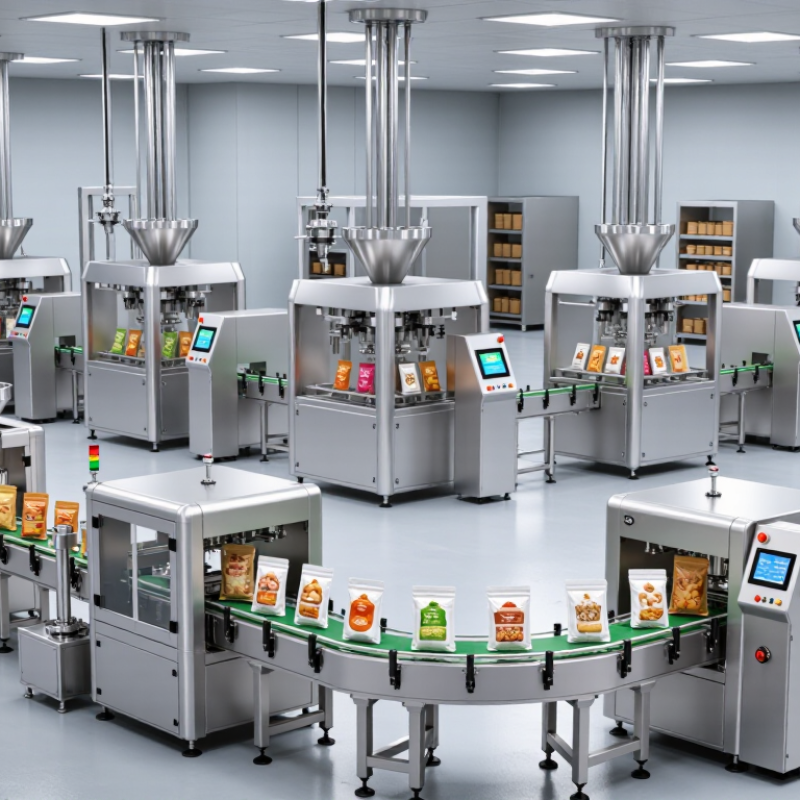
7 Best Premade Pouch Packing Machines for Global Buyers

Premade Pouch Machine Basics: 30–120 Packs/Min and 4–6 Process Stages

Premade Pouch Machine Basics: 30–120 Packs/Min and 4–6 Process Stages

Premade pouch packing machines suit products such as snacks, powders, granules, and small hardware. Their output commonly ranges from 30 to 120 packs per minute, depending on pouch size, product flow, and sealing conditions. A typical machine uses four to six stages: pouch feeding, opening, filling, sealing, and discharge. Some models add coding or air removal. Each stage affects the final package.

In real production, speed is not the only measure. A machine running at 100 packs per minute may slow down with dusty powder or uneven pouch dimensions. Operators should check gripper movement, sensor accuracy, seal temperature, and changeover time. A practical test with actual pouches can reveal problems that brochures often miss. Small details matter. A poorly aligned zipper can cause repeated rejects.

Tips: Ask for tested output using your product, pouch material, and target fill weight. Confirm whether the machine supports your pouch width and seal style. Check cleaning access around the filling area, especially for sticky products. Also request maintenance records, spare-part availability, and operator training. These details support dependable purchasing across different regions. Do not assume the fastest machine is the best choice. That assumption can become expensive.

Evaluation Metrics: ±1% Filling Accuracy, Seal Strength, and Changeover Time

7 Best Premade Pouch Packing Machines for Global Buyers

When comparing premade pouch packing machines, test seven configurations: rotary intermittent, rotary continuous, servo auger, multihead weigher, liquid piston, vacuum, and dual-lane systems. The best choice depends on product flow, pouch size, and production speed. Do not trust a ±1% filling accuracy claim without testing your own product. Run at least 100 pouches, then compare average weight, variation, and rejected packs. Powder can bridge. Granules can bounce. Both affect results.

Seal strength deserves equal attention. Inspect the seal after cooling, not immediately after compression. Measure force across the seal width, and check for wrinkles, channels, or trapped product. A strong-looking seal may still leak during transport. Changeover time should mean the period from the final acceptable pouch to the first acceptable pouch after adjustment. Record cleaning, tooling changes, recipe loading, and film alignment separately. Some machines appear fast because preparation time is excluded.

Tips: Request sample trials with your pouch material and product. Ask for test records, not only brochures. Use colored powder or water during controlled checks when suitable. Photograph seal defects beside a ruler. Leave space for operator training, because real changeovers are rarely as smooth as factory demonstrations. A useful warning: ±1% may be achievable under stable conditions, but humidity, product density, and operator habits can reduce consistency. Test before purchase.

7 Best Premade Pouch Packing Machines for Global Buyers

Evaluation metrics: filling deviation, seal strength, and changeover time

The benchmark compares seven anonymized machine profiles using commonly specified procurement metrics. Lower filling deviation and shorter changeover time indicate better process control and flexibility, while higher seal strength supports package integrity. Filling accuracy is expressed as maximum deviation from the target weight, and seal strength is shown in N/15 mm.

Seven Best Models by Format: Flat, Stand-Up, Zipper, Vacuum, and Retort Pouches

7 Best Premade Pouch Packing Machines for Global Buyers

Seven Best Models by Format: Flat, Stand-Up, Zipper, Vacuum, and Retort Pouches

Premade pouch machines should match the pouch, product, and sealing risk. The seven most useful configurations include a flat-pouch auger filler, flat-pouch multihead weigher, stand-up intermittent machine, stand-up rotary machine, zipper pouch machine, vacuum pouch machine, and retort pouch machine. Flat pouches suit powders, snacks, and small portions. Stand-up formats need controlled opening and stable gripping. Zipper models require accurate mouth alignment before sealing. Vacuum systems need strong air removal and seal inspection. Retort systems need heat-resistant contact parts and repeatable sealing pressure.

The Flexible Packaging Association reported that the United States flexible packaging market reached approximately 39.5 billion dollars in 2023. Smithers also forecasts continued global growth for flexible packaging through 2028. These figures support investment, but market demand alone should not decide the machine. In factory trials, powder dust often exposes weak filling systems. Oily products reveal poor seal preparation. Retort pouches are less forgiving. One ranking is imperfect. Real plants are messier.

Tips: Test real pouches, not only samples. Measure seal width after production, vacuum retention after 24 hours, and zipper opening force. Ask for changeover time with your actual operators. Check electrical standards, spare-part access, and remote support in the destination country. A slower machine with stable seals may outperform a faster machine that creates rework. Cite the FPA State of the Flexible Packaging Industry report and the Smithers flexible packaging market forecast when preparing your investment case.

Global Compliance Checks: CE, UL, ISO 12100, and 220–240 V Compatibility

For global buyers comparing seven premade pouch packing machines, compliance should be checked before speed or price. CE marking indicates conformity with applicable European requirements, supported by a technical file and declaration. It is not simply a quality logo. Ask for current documents, risk assessments, and test reports linked to the exact machine model. Document quality varies. I have seen attractive certificates that covered only a component, not the complete system.

ISO 12100 should guide the machine’s hazard identification and risk reduction process. Inspect guarding, emergency stops, access doors, sealing temperatures, and pneumatic movement. UL-related requirements may matter for North American installations, while other markets may accept different electrical schemes. Confirm the target country early. A 220–240 V machine still needs the correct frequency, phase, plug type, grounding, and protection. Voltage alone is insufficient. Check whether heaters, motors, sensors, and control cabinets share that rating.

Tips: Request a serial-numbered compliance package and wiring diagram. Ask who performed electrical testing, and when. Photograph the nameplate before shipment. Confirm local service support and spare-part availability. Run a witnessed factory acceptance test using your actual pouch material. Small omissions become expensive later. Keep a written record of every requested change; verbal promises can disappear.

Buyer Comparison: Capacity, Pouch Range, Automation Level, and 3–5-Year ROI

7 Best Premade Pouch Packing Machines for Global Buyers

The best machine depends on capacity, pouch range, automation, and payback. Seven practical options include flat-pouch, zipper-pouch, doypack, vacuum, liquid, powder, and multi-lane systems. Typical output ranges from 20 to 120 pouches per minute. Confirm this figure with a factory acceptance test. Film thickness, filling accuracy, and seal cooling can reduce real production speed. They often do.

For a three-to-five-year ROI, calculate labor savings, giveaway, downtime, spare parts, and changeover minutes. A fully automatic line may reduce manual handling, but its servo drives and sensors need skilled maintenance.

IFR reported 541,302 industrial robots were installed globally in 2023, showing continuing automation investment. However, automation is not automatically profitable.

A simple two-shift model can expose weak assumptions. Compare annual net savings against installed cost, then test payback under 70% utilization. A 24-month payback sounds attractive, but rejected seals may quietly damage it.

Tips: Ask for samples using your actual pouch and product. Measure speed after ten changeovers, not only during a demonstration. Check whether one machine handles three pouch widths without expensive tooling. McKinsey estimates packaging consumes about 40% of global plastic production, so lightweight pouch designs may improve material efficiency. Still, thinner film can increase sealing risk. Request documented seal-strength results, energy readings, cleaning time, and spare-part pricing. Leave room for mistakes; production rarely matches the brochure.

FAQS

How should I choose a premade pouch packing machine?

Match the machine with the pouch shape, product texture, and sealing risk. Flat pouches suit powders, snacks, and small portions. The fastest option may create more rework.

Which machine works best for powdered products?

A flat-pouch auger filler often handles powders effectively. Test dust levels during filling. Powder can settle on the seal area and weaken closure quality.

When should I choose a multihead weighing system?

Choose it for snacks, pieces, or products needing portion accuracy. Run actual products during trials. Small product changes can affect weighing results.

What does a stand-up pouch machine need?

It needs controlled pouch opening and stable gripping. Poor gripping can tilt the pouch. That creates uneven filling or sealing.

What should I check on zipper pouch machines?

Check mouth alignment before sealing. Measure zipper opening force after production. A smooth zipper is useful, but alignment errors still happen.

What matters most in vacuum pouch packaging?

Strong air removal and reliable seal inspection are essential. Check vacuum retention after 24 hours. A pouch may look sealed but still lose vacuum slowly.

Why are retort pouch machines more demanding?

Retort systems need heat-resistant contact parts and repeatable sealing pressure. Their sealing process allows less tolerance for mistakes. The machine may pass a sample test yet struggle in daily production.

Which compliance checks should global buyers complete?

Request current technical files, risk assessments, test reports, and wiring diagrams. Confirm documents cover the complete machine. A component certificate may not cover the whole system.

Is 220–240 V compatibility enough for installation?

No. Confirm frequency, phase, plug type, grounding, and electrical protection. Check heaters, motors, sensors, and control cabinets separately. Voltage alone is insufficient.

What should a factory acceptance test include?

Use your actual pouch material and products during a witnessed test. Measure seal width, changeover time, and filling performance. Record every requested adjustment in writing. Verbal promises can disappear.

Conclusion

Choosing the right Premade Pouch Packing Machine requires more than comparing advertised speed. Most machines operate between 30 and 120 packs per minute and may include four to six stages, such as pouch feeding, opening, filling, sealing, and discharge. Buyers should evaluate filling accuracy of around ±1%, seal strength, pouch handling stability, cleaning access, and changeover time. The best configuration depends on the package format, including flat, stand-up, zipper, vacuum, or retort pouches.

A practical comparison should also consider pouch size range, product compatibility, automation level, production capacity, and expected three- to five-year return on investment. For international use, confirm CE or UL requirements where applicable, ISO 12100-based safety design, electrical compatibility with 220–240 V systems, and the documentation needed for installation and maintenance. Selecting a machine that balances reliable performance, flexible format handling, compliance readiness, and long-term operating costs can help global buyers achieve consistent packaging quality and scalable production.

Vivienne

Vivienne

Vivienne is a dedicated marketing professional with extensive experience in product communication, market research, content strategy, and customer engagement. As a key contributor to the company’s digital presence, she regularly publishes insightful articles on the corporate website, helping......